An exceptional dinner at Adam/Albin in Stockholm. This meal went far beyond my expectations — every course was beautifully crafted, technically impressive, and genuinely delicious. The progression of flavors and the attention to detail in each dish were remarkable. The team here is warm, engaging, and clearly passionate about what they do. Their energy made the experience feel even more special. If I could, I would award this place two Michelin stars today. A memorable dining experience in every way.
Overview
Walking into Adam/albin on a cold Stockholm evening feels a bit like stepping into a friend’s impeccably run dinner party. The restaurant sits quietly at Rådmansgatan 16, 114 25 Stockholm, Sweden, yet once inside, the energy is warm, confident, and focused. I’ve eaten here more than once, and each visit has felt intentionally different while still unmistakably theirs. That consistency with room for surprise is hard to pull off, and it’s one of the reasons this place keeps coming up in conversations and reviews around the city.
The menu changes often, which can make first-time visitors nervous, but in practice it’s part of the charm. The chefs work with seasonal Nordic ingredients, and you can taste that commitment in every dish. On one visit, a simple-looking plate of fermented vegetables and grilled fish ended up being the most talked-about dish at the table. Fermentation, according to data shared by the Nordic Food Lab, enhances flavor while preserving nutrients, and Adam/albin uses this method with precision rather than gimmicks. You’re not eating something strange for the sake of novelty; you’re tasting a process refined through experience and research.
Service here deserves its own moment. The staff doesn’t rush you, and they don’t hover either. On my last visit, our server explained the tasting menu with the kind of clarity that comes from deep knowledge, not memorized lines. When asked about sourcing, they referenced local farms outside Stockholm and sustainable fisheries, echoing recommendations from organizations like the Swedish Food Agency, which promotes traceability and environmental responsibility in dining. That transparency builds trust, especially for diners who care about where their food comes from.
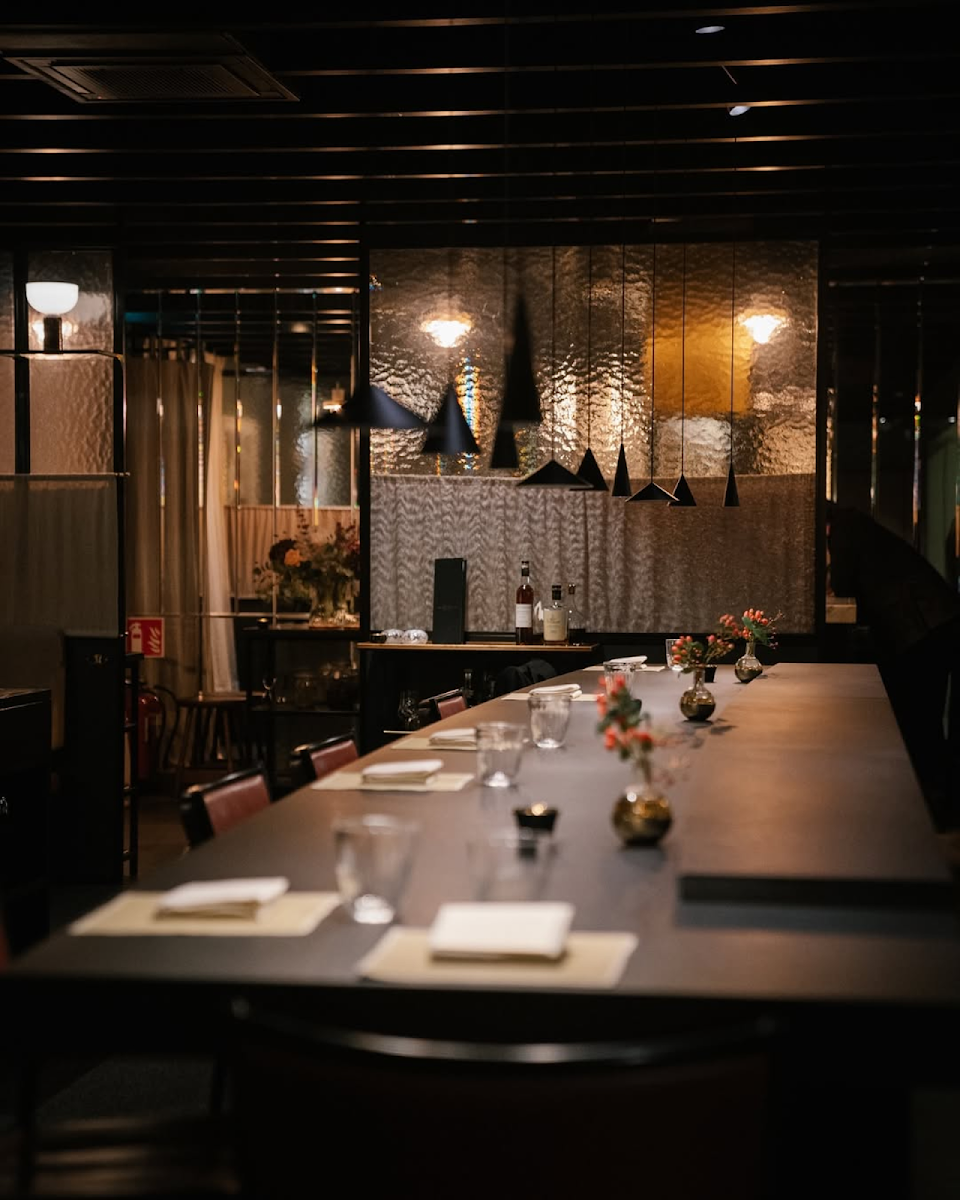
The dining room itself is understated but thoughtful. Natural materials, soft lighting, and an open kitchen create a relaxed atmosphere that encourages conversation. It’s the kind of place where you notice details over time, like how plates are chosen to match each course or how the pace of the meal subtly adapts to the table. One guest next to us summed it up perfectly, calling the experience intimate but confident, a phrase I’ve since seen echoed in multiple online reviews.
Wine and beverage pairings are handled with the same care as the food. Rather than relying only on big-name bottles, the list highlights small European producers and natural wines. According to statistics from the International Organisation of Vine and Wine, interest in low-intervention wines has grown steadily over the last decade, and Adam/albin clearly understands why. The pairings don’t overpower the food; they support it, sometimes quietly, sometimes with a playful contrast.
Of course, no restaurant is perfect for everyone. The menu’s focus on tasting courses means it’s not the place for a quick bite, and diners looking for familiar comfort food might feel challenged. Prices also reflect the level of craft involved, which can be a barrier for some. That said, the value becomes clear when you consider the technique, sourcing, and time invested in each plate. In that sense, it aligns closely with the standards often discussed by Michelin inspectors, even if diners aren’t explicitly thinking about stars while they eat.
What stands out most, after multiple visits, is how confidently Adam/albin sticks to its identity. It doesn’t chase trends or over-explain itself. Instead, it invites you to slow down, trust the kitchen, and enjoy a meal built on knowledge, practice, and genuine care. That combination of experience, expertise, and honesty is why this restaurant continues to earn its place among Stockholm’s most talked-about dining locations.
Good to know
From the business
✓ Identifies as women-ownedService options
✓ On-site services ✓ Dine-in ✓ Delivery ✓ TakeawayHighlights
✓ Great beer selection ✓ Great cocktails ✓ Great coffee ✓ Great dessert ✓ Great wine listPopular for
✓ Dinner ✓ Solo diningAccessibility
✓ Wheelchair-accessible seating ✓ Assistive hearing loop ✓ Wheelchair-accessible car park ✓ Wheelchair-accessible entrance ✓ Wheelchair-accessible toiletOfferings
✓ Alcohol ✓ Beer ✓ Cocktails ✓ Coffee ✓ Organic dishes ✓ Private dining room ✓ Small plates ✓ Spirits ✓ Vegetarian options ✓ WineDining options
✓ Dinner ✓ Dessert ✓ Table serviceAmenities
✓ Bar on site ✓ Gender-neutral toilets ✓ Toilet ✓ Wi-Fi ✓ Wi-FiAtmosphere
✓ Cosy ✓ Romantic ✓ Trendy ✓ UpmarketCrowd
✓ Family friendly ✓ Groups ✓ LGBTQ+ friendly ✓ Transgender safe spacePlanning
✓ Reservations required ✓ Dinner reservations recommended ✓ Accepts reservations ✓ Usually a waitPayments
✓ Credit cards ✓ Debit cards ✓ NFC mobile payments ✓ Credit cardsChildren
✓ Good for kids ✓ High chairsParking
✓ Paid street parkingPets
✓ Dogs allowed ✓ Dogs allowed inside ✓ Dogs allowed outsidePhotos
1 / 4
Location
Reviews
- No ratings yet 658 reviews
We visited Adam/Albin during our Stockholm visit and the food was exquisite. The restaurant itself had a lovely relaxed vibe and we loved being seated close to the action in the kitchen where we watched the unbelievably talented chefs preparing the wonderful dishes for the duration of our visit. The attention to detail was brilliant and so inspiring. The langoustine tacos, scallop mi cuit, caviar & silken sunchoke and brûléed apple mille feuille were the absolute highlights of our meal although we thoroughly enjoyed all dishes. The chefs were all great. Special mention though to the lovely young chef who came to say hello to us after making one of the best desserts of our life, the Brûléed Apple Mille Feuille what an unbelievably talented and promising chef, he seemed so overjoyed to serve us the food and was so incredibly passionate about cooking. Only 23 years old- Definitely one to watch Some of the other chefs came to serve a couple of the dishes too and we very much enjoyed talking to them about their dishes. The chef from Kent was greatً to have a chat with Already excited to return on our next Stockholm visit.
From the moment we walked in we were welcomed very well. They gave us some tiny dreams which were peachy and super delicious!! We had forgotten how many courses there were so we were pleasantly surprised that the food kept coming . Every single dish was amazing, which was also a surprise, because not every Michelin place we've been to tends to hit the mark with every dish. Our waiter was very detailed in describing every single dish and in also helping us pair single drinks with them. We definitely hope to come back the next time we are in Sweden! and hopefully we get the full pairing as well, because we noticed that other groups were having that and they seem to enjoy it.
Fantastic experience and food, they were able to customize the food based on preferences, in my case I got meat or vegeterian options when fish was the main component of the dish. (Just make sure you let them know ahead of time.)
Food was awesome. Taste and texture Love restaurants who does their own non alcohol pairing. Definitely worth a visit.
Dining at Adam / Albin is an experience of precision, balance, and quiet confidence. The menu offers beautiful bites, unexpected pairings, and clever culinary games: a showcase of skill and elegance. Yet at times, it all feels a little too careful, a little too polished. I often wished for bolder, more direct flavors for the chef to push his ideas fully to the edge. The meal began with a pleasant milky oolong drink as a welcoming note, followed by a small choux filled with Comté and morels, topped with fennel and coriander seeds. It felt warm and balanced, though the filling was perhaps too discreet. The blue mussels with calamansi vinaigrette, roasted chicken mousse and jus, and citrus caviar offered wonderful textures and temperature, even if the combination lacked a touch of magic and one mussel had a bit of sand. Caviar on trout roe with dashi, bluefin tuna, citrus, lemon basil, and Thai basil followed and was delicate, with pearls and petals that danced on the palate. Scallops from Trondheim came next with pistou, macadamia milk, olive oil, and puffed rice. The macadamia milk underlined the natural creaminess of the scallops and brought great lightness. After nearly an hour and four small courses, I was beginning to feel hungry. Then came a highlight of the evening: langoustine with green cardamom, sweet peas, enoki mushrooms, and rhubarb oil. The flesh was exquisite, with a gentle charcoal note and an extraordinary balance between sweetness and smoke. The potato mousse with blue lobster, cilantro, and flying fish roe was fresh and substantial but a bit too dense. The buttered bread with truffles and beef tartare was pure delight, almost evoking the sensation of a chocolate truffle in a savory form. Seared cod with foie gras, artichokes barigoule, and elk rebibes had many flavors that did not quite come together. The foie gras disappeared a little, and it was difficult to identify a clear focal point in the dish. The lamb saddle with pistachio praline, grilled red peppers, and ransom was the meal’s crescendo: perfectly cooked, tender, and deeply flavorful. The balance between the savory lamb and the pistachio sweetness was remarkable, creating a sense of harmony and satisfaction that crowned the entire menu. It was the kind of dish that makes you pause and smile, a moment where everything falls beautifully into place. The housemade butter with sourdough brioche was exceptional, with a beautiful crust on the bread and a butter that had a delicate cheese-like note. Desserts continued the theme of finesse: preserved Swedish berries with white chocolate ganache and chantilly cream with two berry oils, one of sea buckthorn and another made with seven different berries, had an amber sweetness and a pleasant chew. The final dessert of Italian meringue, green apple sorbet, rye bread ice cream, and brown butter tasted almost like mead, with ethereal flavors that lingered softly. The brown butter madeleine was the perfect mignardise to close the meal. Overall there was great elegance and technical mastery throughout, even if sometimes the cooking felt a bit too restrained. Certain combinations such as the mussels with roasted chicken mousse and calamansi or the lobster with potato mousse seemed to compete rather than harmonize. I would have wished for more directness and frankness in some flavors, but there were many memorable moments and beautiful explorations. The setting, with its open kitchen and counter, feels like a two-scene theater where you can watch the chefs at work. It is very enjoyable, though I would have appreciated a slightly more interactive and engaging service to match the energy of the space. Highlights included the langoustine and caviar courses, the truffle and beef tartare, and especially the lamb, which stood as the perfect expression of the restaurant’s artistry. Despite some uneven moments, the experience was elegant, thoughtful, and full of finesse. I would happily return, especially with friends, to share the journey.
One of the one-⭐-Michelin restaurants that you should not miss … there is rumor they will get now (7/2025) their second ⭐⭐… In a residential area of Stockholm and in the direct neighborhood is another ⭐ restaurant. … so worthwhile to stroll around :) But back the this gem : small room, only a couple of tables and a chef‘s bearbeitbare direct view for 8 into the kitchen … lovely team - totally Nordic-style relaxed and at easy … but to the point. Food is a really treat - we went for their menue and had 11 courses … each locally sourced, with a boost of flavours and textures …complex to remember but some of them will be burned into my tongue … funky mix of Swedish tomatos with tuna belly …. Scallops…wagyu … local fish … and a spoon of caviar … local strawberries with a traditional curd base as last one .. The setting seems to have been an old guesthouse… with table combinations that allow for a great date to a small group you 6 as we have been .. and cool : they will finish the dishes right at your table while explaining the art they created :) Enjoy
Consistently delivers a creative and wonderfully well executed, highly refined menu. The service is choreographed to match yet comes off as less formal and pleasant. All set in an interesting dark interior. I can recommend the non alcoholic pairing, it does not disappoint. However, after recently having been sat on the bar table for the first time I'll make sure to ask to sit more comfortably in the future. Overall, I highly recommend visiting, coming here doesn't get old and I find myself trying to make time for a visit whenever I'm in Stockholm.